 blog
How Graphene Topicals Help Tattoo Itching and More
Last Updated: November 1, 2026
Quick Summary
Graphene topicals support tattoo itching relief by working with your skin barrier rather than numbing it, and they are designed to help with itching, pain, and mobility while speeding up healing. Use them as a support layer alongside gentle washing, thin fragrance-free moisturizer, cold compresses, instead of tapping. Use it and you’ll never be scratching. Pain that worsens after the first few days or spreading redness means you should contact a healthcare provider.
- Cool the area with a wrapped cold compress and tap gently with clean fingertips instead of scratching.
- The itch peaks in the proliferative phase, days 4-14, when new skin forms and the surface dries.
- Moisturize before movement and keep clothing loose to reduce friction over the tattoo.
- Normal healing peaks early and fades, while infection gets worse over time.
Table of Contents
- Why a Healing Tattoo Itches and How Graphene Topicals Fit In
- Itchy Tattoo Relief Without Scratching or Picking
- Tattoo Healing Stages and Itching: What Each Phase Tells You
- Tattoo Aftercare Products for Itching: What to Look For
- Tattoo Infection Symptoms and When to Seek Medical Care
- Managing Pain and Mobility During Tattoo Healing
- Choosing Your Tattoo Aftercare Routine with Graphoenix
- Frequently Asked Questions
Why a Healing Tattoo Itches and How Graphene Topicals Fit In
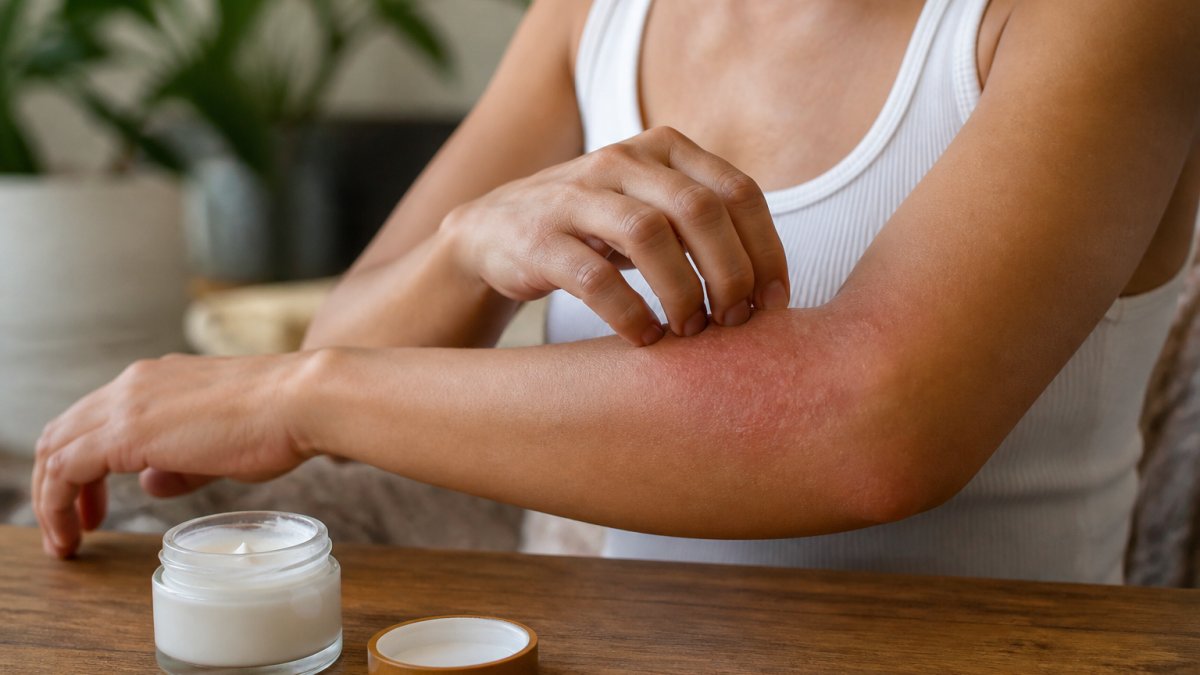
A healing tattoo itches because the skin is repairing itself, and that repair makes nerve endings hypersensitive.
As a fresh tattoo heals, immune cells arrive, new skin forms, and the surface dries out.
Graphene topicals approach this differently from a standard lotion.
Watch out: a tattoo that itches intensely and is spreading redness, swelling, or warmth is not a normal healing itch.
Itchy Tattoo Relief Without Scratching or Picking
The fastest safe relief for an itchy tattoo is a cool compress plus gentle tapping, never scratching. Cool the surface for a few minutes, pat dry with a clean paper towel, and apply a thin layer of fragrance-free moisturizer.
- Cold compress: wrap an ice pack in a clean cloth and hold it on the area for short intervals. Never put ice directly on a fresh tattoo.
- Gentle tapping: tap the itchy spot with clean fingertips. It satisfies the nerve signal without breaking the skin barrier.
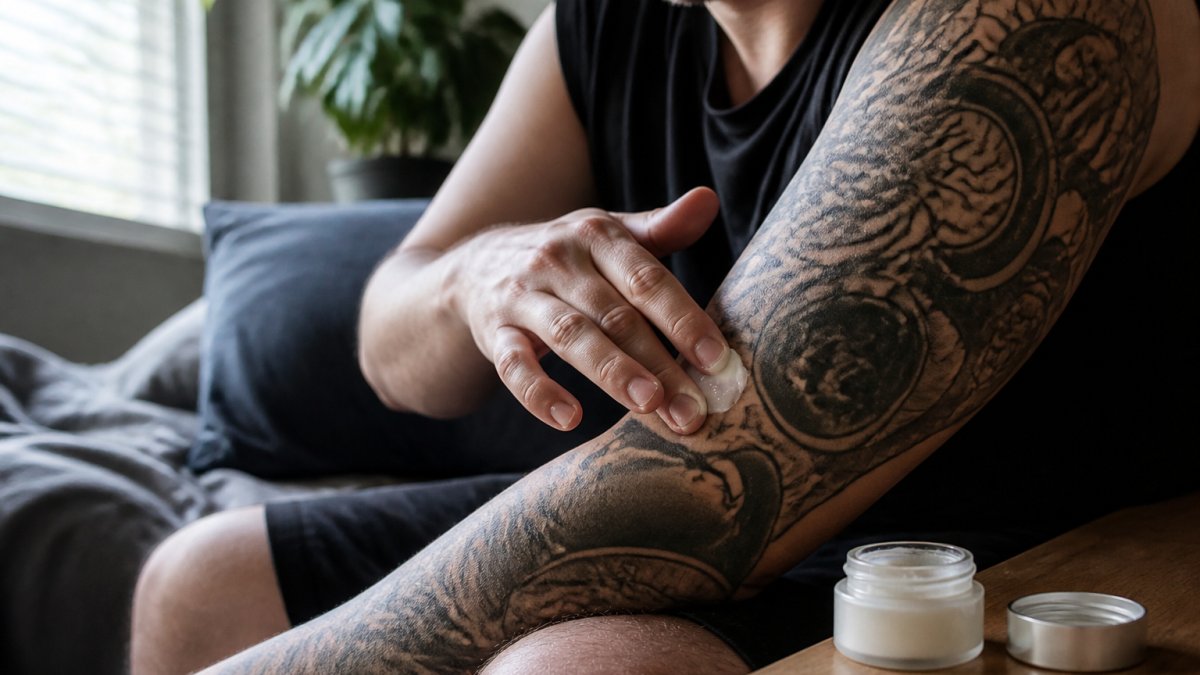
- Thin moisturizer layer: Carbon Creme/ Itch’B’Gone is a natural balm applied sparingly keeps the surface from drying, itching, and tightening.
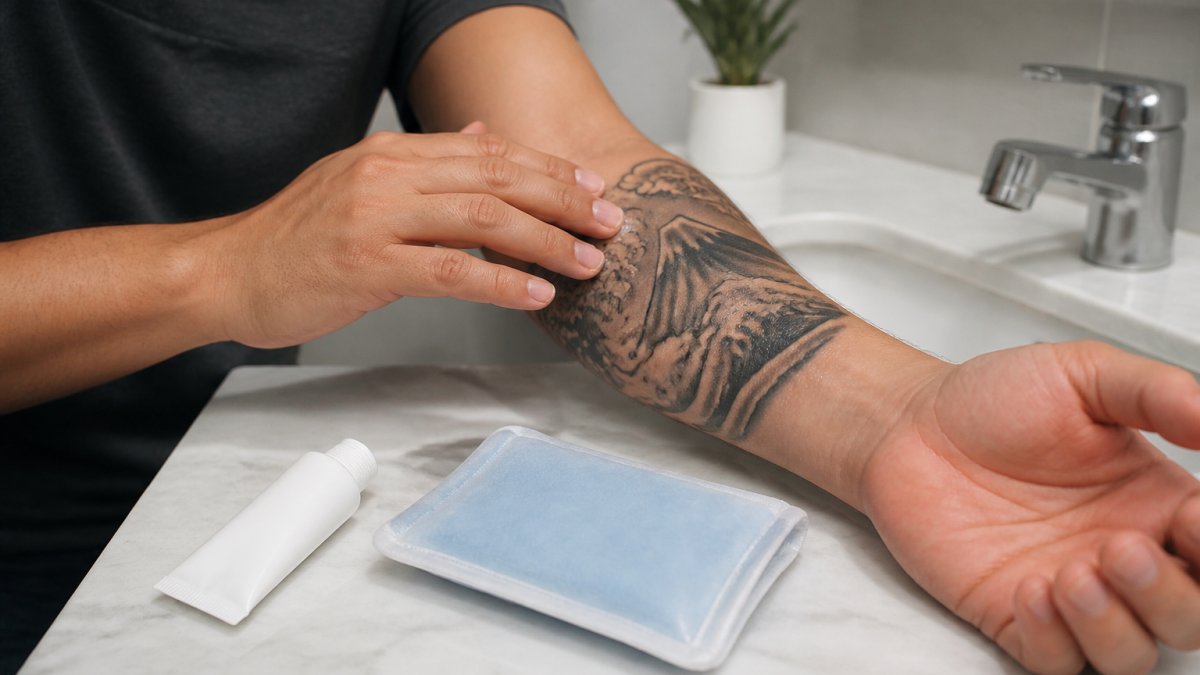
Cooling Gels, Cold Compresses, and Gentle Tapping
Cooling gels and balms work on the same principle as a compress: they lower surface temperature, which quiets the nerve endings firing the itch signal.
Gentle patting and tapping deserve more credit than they get.
Cold compresses remain the most reliable tool in the first few days. Keep the compress clean, keep sessions short, and always pat the area dry afterward.
Tattoo Healing Stages and Itching: What Each Phase Tells You
Tattoo healing stages and itching follow a predictable pattern, and knowing which phase you are in tells you whether the itch is normal.
Phase | Typical Timing | What You'll Notice | What Helps |
|---|---|---|---|
Inflammatory | First 1-3 days | Redness, swelling, warmth, clear plasma weeping | Gentle washing, light ointment, rest |
Proliferative | Days 4-14 | Dryness, flaking, intense itch, thin scabbing | Fragrance-free moisturizer, cold compress, tapping |
Maturation | Weeks 3-4 and beyond | Surface settled, occasional itch, deeper skin remodeling | Light daily moisturizer, sun protection |
The proliferative phase is where the itch peaks: new skin is forming under the old layer, and the surface dries as it does.
During the inflammatory phase, less is more.
By the maturation phase, the surface looks healed but the skin underneath keeps remodeling for weeks.
Tattoo Aftercare Products for Itching: What to Look For
The best tattoo aftercare products for itching share three traits: fragrance-free, minimal ingredient lists, and a texture light enough to apply in a thin layer. Anything that stings, burns, or smells strongly is wrong for broken skin.
- Fragrance-free or Natural Ingredients: fragrance is the most common irritant in topical products, and it has no place on a healing tattoo.
- Short ingredient list: fewer ingredients means fewer chances for a reaction.
- Light texture: a balm or gel that spreads thin beats a heavy occlusive cream.
Ingredients That Calm Versus Ingredients That Irritate
Calming ingredients support the skin barrier: petrolatum, dimethicone, glycerin, colloidal oatmeal, and simple plant oils hold moisture in without stinging.
Watch out: "natural" and "gentle" are marketing words, not safety guarantees. Tea tree oil and lavender oil are natural and both commonly irritate healing tattoos.
This is where formula design separates products. When comparing aftercare ingredients, put fragrance-free and minimal first.
Tattoo Infection Symptoms and When to Seek Medical Care
Tattoo infection symptoms include spreading redness, increasing pain after day three, warmth, pus, foul smell, fever, and red streaks moving away from the tattoo. If you see any of these, contact a healthcare provider.
The distinction between a normal healing reaction and an infection is timing and direction. Normal inflammation peaks early and fades. Infection gets worse over time. That single rule, early and fading versus late and worsening, is the most reliable at-home signal you have.
Infection Versus Allergy Versus Irritation
Most aftercare guides stop at "see a doctor if it looks bad." The more useful skill is telling apart the common causes of a tattoo that itches, hurts, or looks angry, because each has a different response.
Pattern | Typical Timing | What It Looks Like | What to Do |
|---|---|---|---|
Normal healing | First 1-14 days, fading | Redness and swelling early, then dryness, flaking, and itch | Gentle washing, thin fragrance-free moisturizer, cold compress, tapping |
Irritation | Any time, often after a new product | Itch or sting at the surface, sometimes with dryness or a mild rash | Stop the new product, return to a minimal routine, patch test |
Allergic reaction | Days to weeks, sometimes later | Intense itch, raised bumps, rash across the whole tattoo rather than at the edges | Get professional advice; do not keep applying more moisturizer |
Infection | Usually after day three, worsening | Spreading redness, warmth, increasing pain, pus, foul smell, fever, red streaks | Contact a healthcare provider promptly |
A rash that appears suddenly and itches intensely across the whole tattoo, rather than at the edges, may point to an allergic reaction rather than an infection, and that also deserves professional advice.
When to Seek Care
Seek care promptly if you see any of the following:
- Redness that spreads beyond the tattoo outline
- Pain that increases after the first few days instead of easing
- Warmth, swelling, or a feeling of tightness that gets worse
A persistent itch in a fully healed tattoo is a different situation. According to the American Academy of Dermatology's guidance on tattoo reactions, skin reactions to tattoo ink can appear days, weeks, or even years after the tattoo is placed, which is why persistent itching in a healed tattoo is worth investigating rather than treating with more moisturizer.
What Not to Do While You Wait
Do not apply a new product to calm the area, do not cover it with a heavy occlusive layer, and do not pick at scabs or drain anything yourself.
We are not clinicians and this is not medical advice. Our role is to make aftercare products that support normal healing. When something looks wrong, the right move is a professional, every time.
Managing Pain and Mobility During Tattoo Healing
Pain and mobility problems during healing come from three sources: swelling that stiffens the area, scabbing that pulls when the skin flexes, and nerve sensitivity around the tattoo. Managing all three keeps you moving without disrupting healing.
Why Placement Drives Pain and Stiffness
A tattoo on a joint, ribcage, ankle, wrist, or behind the knee pulls every time you move, and that pulling makes the area feel stiff.
The closer the tattoo sits to a hinge, the more your normal range of motion will test the scab. That does not mean you should stop moving, it means move deliberately and keep the surface supple before you do.
Stage-Based Mobility Guidance
Healing Phase | Typical Timing | What to Do for Mobility | What to Avoid |
|---|---|---|---|
Inflammatory | First 1-3 days | Rest the area, elevate if swollen, keep clothing loose | Strenuous exercise that stretches the site, tight straps or waistbands |
Proliferative | Days 4-14 | Gentle range-of-motion movement, moisturize before flexing, short sessions | Picking at scabs, deep stretching that cracks the surface, heavy friction |
Maturation | Weeks 3-4 and beyond | Normal movement, light daily moisturizer, sun protection | Assuming the surface looks healed means the deeper skin is done remodeling |
During the inflammatory phase, rest does more for swelling than any product. During the proliferative phase, the goal is to keep the skin from drying and tightening before you move: apply a thin layer of fragrance-free moisturizer, wait a minute, then move gently through the range you need for the day.
Practical Pain Management
For pain, cold compresses in the early days and over-the-counter pain relief as directed by a pharmacist or physician are standard. What most guides miss is that pain that increases after the first few days is a signal, not a setback to push through.
A few concrete habits help more than they sound like they would:
- Moisturize before movement. A supple surface flexes without cracking; a dry one does not.
- Loosen clothing over the site. Friction from a waistband, sock cuff, or bra strap is a common and avoidable trigger.
- Break up long periods of stillness. If you sit for work, stand and move gently every hour rather than staying locked in one position and then moving abruptly.
Where Topicals Fit, and Where They Do Not
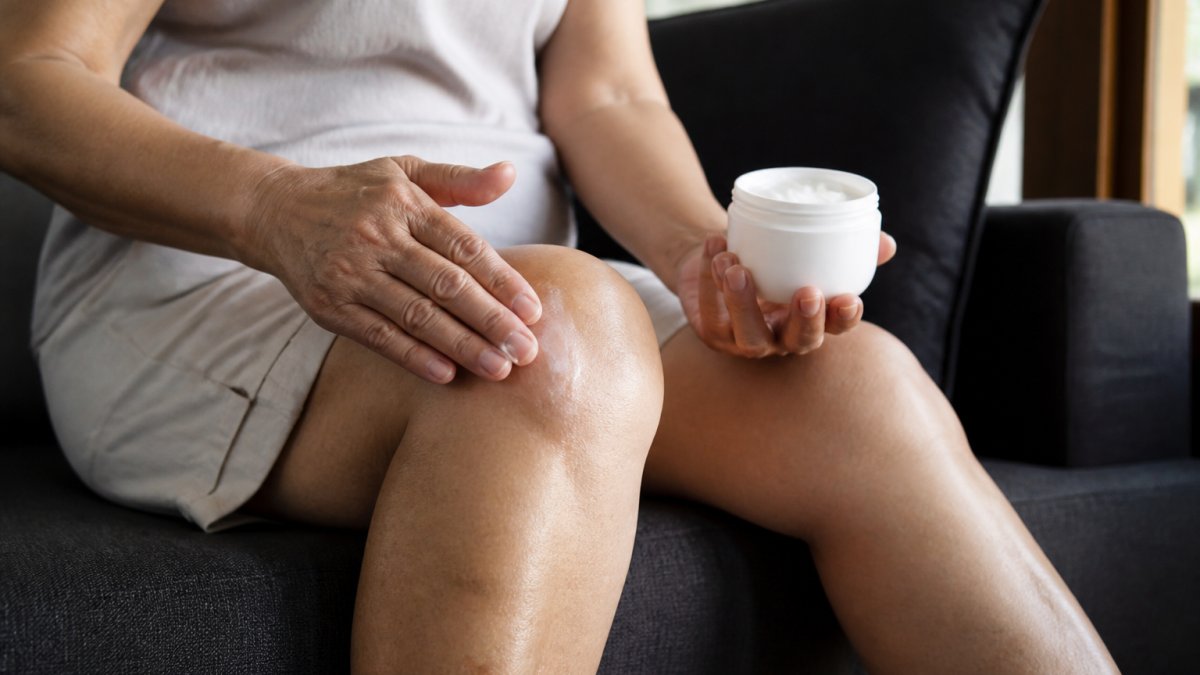
Mobility support is where our graphene topicals are designed to help.
That said, a topical is a support layer, not a substitute for wound care or medical assessment. If pain is severe, if the area is hot and swollen, or if you cannot move the joint through its normal range, that is a reason to contact a healthcare provider rather than to apply more product.
Choosing Your Tattoo Aftercare Routine with Graphoenix
A workable tattoo aftercare routine has four steps: clean gently, dry fully, apply a thin layer, and protect from friction and sun.
Where Graphoenix LLC fits is in the product layer of that routine. Our topicals use pristine, large-flake, one-to-five-layer graphene, which is distinguished from graphene oxide.
If your skin is reactive, patch test first and introduce one new product at a time.
We would also point you to the FDA's consumer information on tattoo safety and aftercare for the regulatory view on tattoo inks and healing, and to your own artist for guidance specific to your tattoo.
Frequently Asked Questions
How can I soothe an itchy tattoo without scratching it?
Skip scratching entirely and reach for cooling instead. A cold compress wrapped in a clean cloth for a few minutes at a time, gentle tapping over the site, and a thin layer of fragrance-free moisturizer all calm the nerve endings without breaking the skin barrier. If the itch spikes at night, keep the area covered with loose clothing and avoid wool or rough fabrics that drag on the healing surface.
How long does tattoo itching usually last?
Most itching peaks during the peeling phase, roughly days four through fourteen depending on the size and location of the tattoo. Shading and color-packed areas tend to itch longer than simple line work. The sensation should fade as the skin finishes its outer layer repair. Itching that returns after the tattoo looks fully healed, or that comes with redness, swelling, or a rash, is a different situation and worth showing to a doctor rather than treating with more moisturizer.
Can tattoo aftercare products help with itching and discomfort?
Yes, when they match the healing stage. During the first few days a light, fragrance-free ointment protects the open skin. Once peeling starts, a moisturizer or healing balm keeps the skin hydrated and reduces the dry, tight feeling that drives itch. Avoid heavy occlusives in the peeling stage, since trapping moisture under a thick layer can worsen irritation.
When should I be concerned about an itchy tattoo?
Get medical advice if the itch comes with spreading redness, swelling, warmth, pus, or a rash that extends past the tattoo border. Those are tattoo infection symptoms or signs of an allergic reaction, not normal healing. Also check in with a professional if itching lasts well beyond the peeling phase, if the skin develops hives or blisters, or if you have a fever. Normal healing itch responds to cooling and moisturizing; infection and allergy do not, and delaying care lets them get worse.
A healing tattoo asks you to leave it alone when every instinct says scratch. That is a hard ask, and it is easier when the products in your routine actually calm the skin instead of just coating it. Graphoenix LLC builds artificial fragrance-free graphene topicals designed to support itching, pain, and mobility while the skin does its repair work. Explore the Graphoenix range and give your next tattoo the aftercare it deserves.