 blog
7 Best Lattice Approaches for Cellular Regrowth and Joint Stiffness
Last Updated: October 26, 2026
Quick Summary
Lattice cellular regrowth is an acellular scaffold that gives repair cells a surface to attach to, migrate along, and organize around, so collagen lays down in an aligned pattern instead of a tangled scar. Pristine large-flake graphene in one to five layers is the cleanest topical option, though it works on the skin surface and cannot reach deep joint tissue.
- A lattice contains no living cells; it guides the body's own repair cells as a template.
- Graphene oxide is an oxidized form many formulators avoid over irritation and residue concerns.
- Scar remodeling continues for 12 to 18 months, so short studies cannot claim long-term scar prevention.
- Apply a topical before gentle movement, not after, to support comfort during range-of-motion exercise.
- Check that a product uses pristine graphene in one to five layers, not graphene oxide.
Table of Contents
- What a Lattice for Cellular Regrowth Actually Does
- Graphene for Skin Healing: How a Carbon Lattice Supports Repair
- Scar Prevention After a Wound: What the Evidence Supports
- Topical Treatments for Joint Stiffness: What to Expect
- Stem Cell Therapy for Joint Pain: How It Compares to Lattice Approaches
- Comparing Lattice Materials and Treatment Approaches
- Choosing a Lattice-Based Product for Your Skin or Joints
- Frequently Asked Questions
What a Lattice for Cellular Regrowth Actually Does
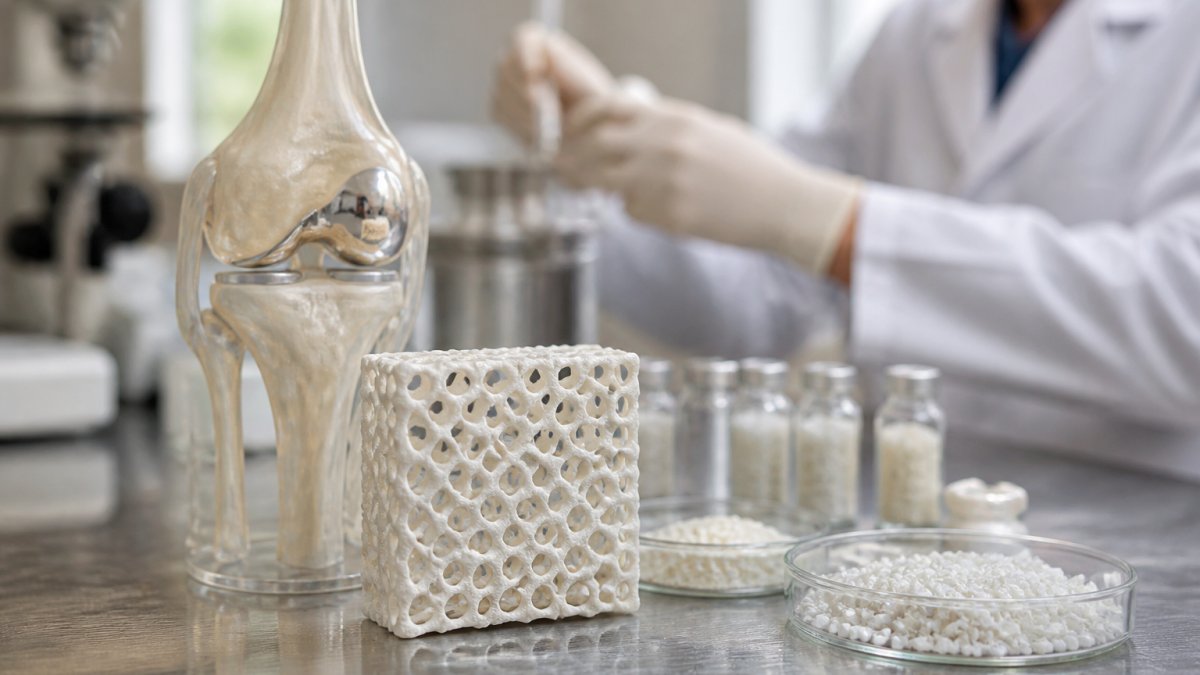
Lattice cellular regrowth is a physical framework, often called a scaffold, that gives repair cells a surface to attach to, migrate along, and organize around as they rebuild tissue. The concept comes from tissue engineering, where a scaffold is designed to mimic the extracellular matrix: the mesh of proteins and polysaccharides that cells normally cling to in the body.
It is important to separate a lattice from cell therapy, because the two are frequently conflated in marketing. A lattice is an acellular structure, it contains no living cells. It works by guiding the body's own cells. Cell therapy, by contrast, delivers living cells (often bone marrow aspirate or adipose-derived cells) into or near a joint.
Scaffolds fall into a few broad families, and the differences matter for how they behave on skin and over joints:
- Biologic scaffolds, collagen, fibrin, hyaluronic acid, and decellularized tissue matrices. These are well studied in wound care and burn treatment. Collagen dressings, for example, have decades of clinical use. Their limitations are cost, batch-to-batch variability, and, for some products, weak structural guidance when used as a gel.
- Synthetic scaffolds, polymers such as polycaprolactone, polylactic-co-glycolic acid (PLGA), and polyethylene glycol hydrogels. These offer tunable structure and purity but may provoke a foreign-body response depending on composition and degradation products.
- Carbon-based scaffolds, including graphene and graphene oxide. Pristine large-flake graphene in one to five layers is an ordered, conductive carbon sheet. Graphene oxide is an oxidized form with different surface chemistry and, in many formulators' view, a higher irritation concern.
What a lattice does mechanically is straightforward: it presents adhesion sites, it creates porosity that allows fluid and cells to move, and it imposes directionality on collagen deposition. In skin, that directionality is what separates an organized repair from a chaotic scar.
The National Library of Medicine overview of tissue engineering scaffolds describes this scaffolding role in repair research. The FDA information on regenerative medicine and cell therapies is the place to check whether a given product is approved, cleared, or still investigational for its claimed use, a distinction most promotional pages blur.
Graphene for Skin Healing: How a Carbon Lattice Supports Repair
Graphene for skin healing works as a thin carbon sheet that sits on the skin surface and offers repair cells a flat, ordered template. Carbon is the base element of living tissue, so a carbon lattice fits the body's own building blocks.
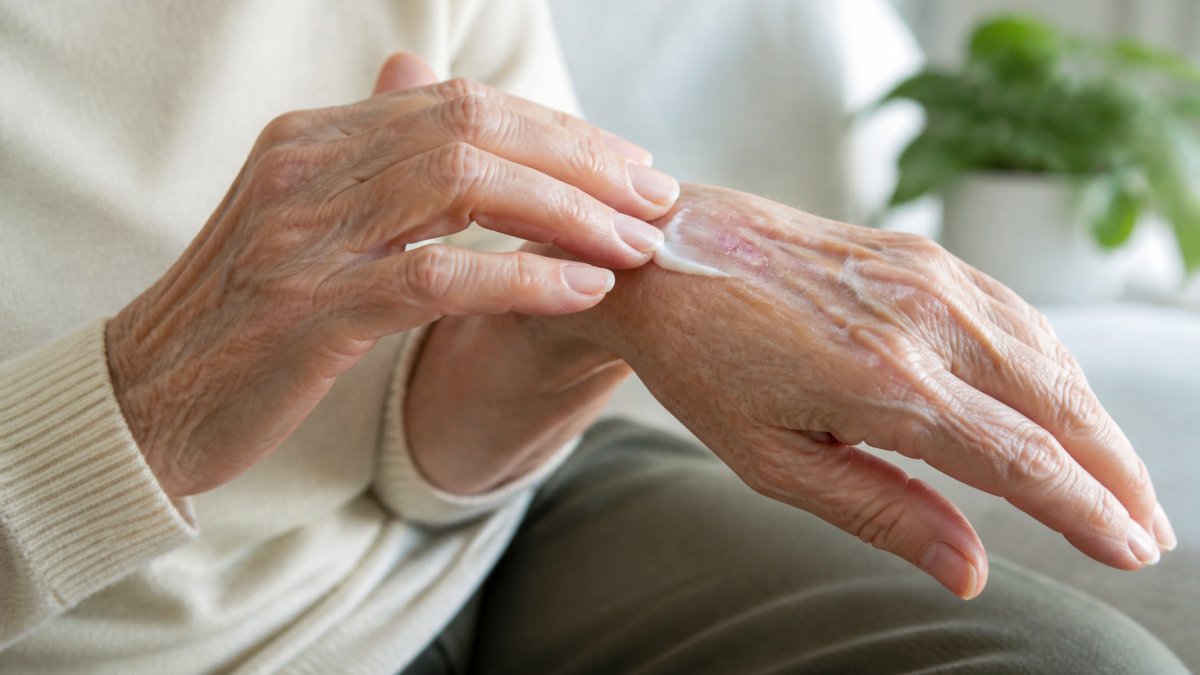
Not all graphene is the same, and this is where most buyers get lost. Pristine, large-flake graphene in one to five layers is a different material from graphene oxide. Graphene oxide is an oxidized form that many formulators avoid because of concerns about irritation and residue. Graphoenix LLC uses the pristine large-flake type specifically to stay clear of those concerns.
What does that mean in practice? A cleaner lattice may support a calmer healing environment. Fewer reactive byproducts means less chance of the product itself triggering a flare.
Scar Prevention After a Wound: What the Evidence Supports
Scar prevention after a wound comes down to how tissue rebuilds in the first weeks. Scars form when repair fibers, principally type I and type III collagen, lay down in a tangled pattern instead of following the skin's natural tension lines. Lattice cellular regrowth gives those fibers a direction to follow, which is the mechanism behind every scaffold-based scar claim.
Be realistic about what the evidence actually shows. No topical product erases a scar. The strongest evidence for scaffold-based scar reduction comes from biologic dressings and matrices used in burn and surgical wound care, where collagen and other scaffolds have been studied for years.
A useful way to judge any scar product is by the outcome measures it reports, not the adjectives it uses. Meaningful measures include:
- Scar assessment scales, the Vancouver Scar Scale and the Patient and Observer Scar Assessment Scale (POSAS) are the standard tools clinicians use to rate pigmentation, vascularity, pliability, and height.
- Range of motion, for scars over joints, whether the tissue stretches without contracture matters more than appearance.
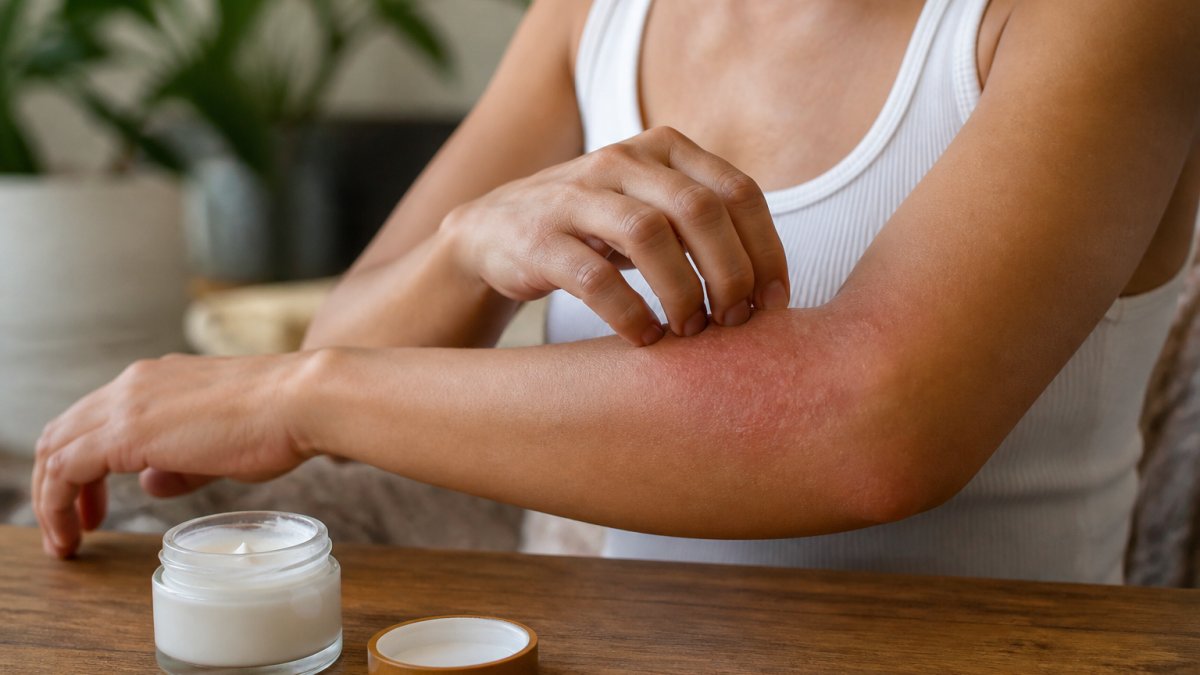
- Patient-reported outcomes, itching, tightness, and pain are common scar complaints and are often what patients care about most.
- Follow-up duration, scar remodeling continues for 12 to 18 months. A product studied for four weeks cannot claim to prevent long-term scarring.
A common mistake is starting too late. The healing window that matters most opens right after the wound closes and the skin surface is intact. Waiting until a scar is fully mature limits what any topical can do.
- Start once the skin surface is intact and any scabbing has resolved
- Apply consistently, not sporadically
- Protect the area from sun during healing, ultraviolet exposure darkens scars
- Avoid picking or scrubbing new tissue
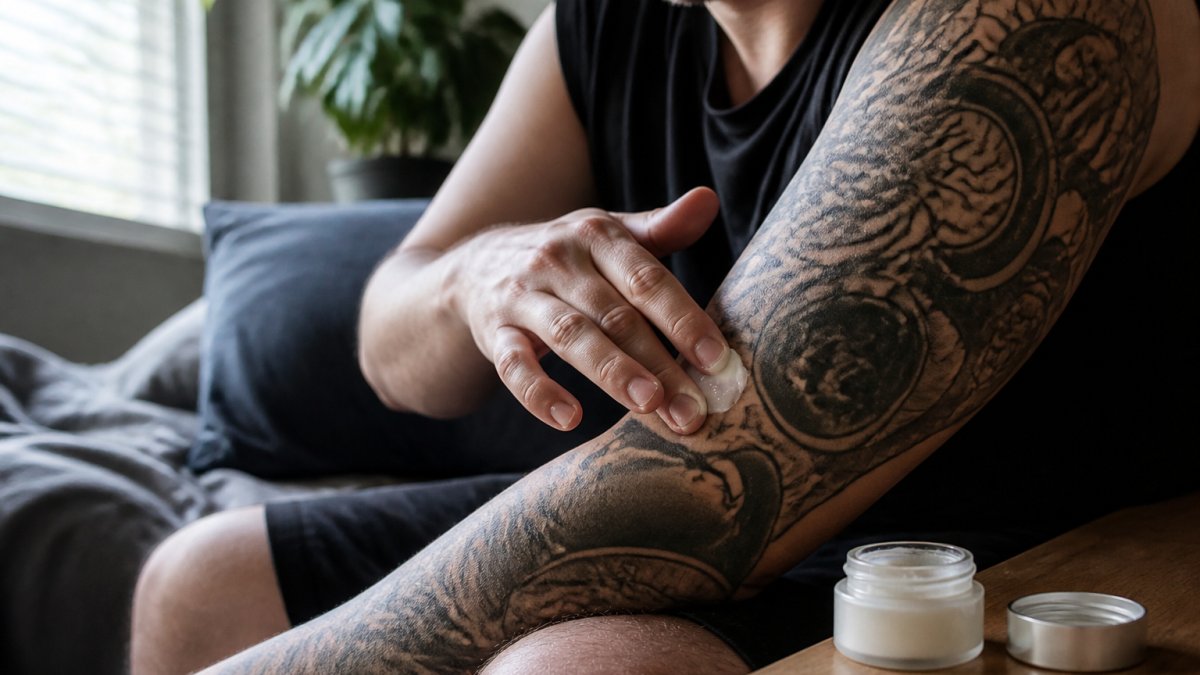
- For scars over joints, pair topical care with gentle range-of-motion exercise to prevent contracture
The American Academy of Dermatology guidance on wound care and scarring stresses gentle care and sun protection during healing. Those basics do more than most people expect. For scars that are raised, painful, or restricting movement, a clinician may discuss silicone sheeting, corticosteroid injection, or other interventions that have stronger evidence than any topical.
Topical Treatments for Joint Stiffness: What to Expect
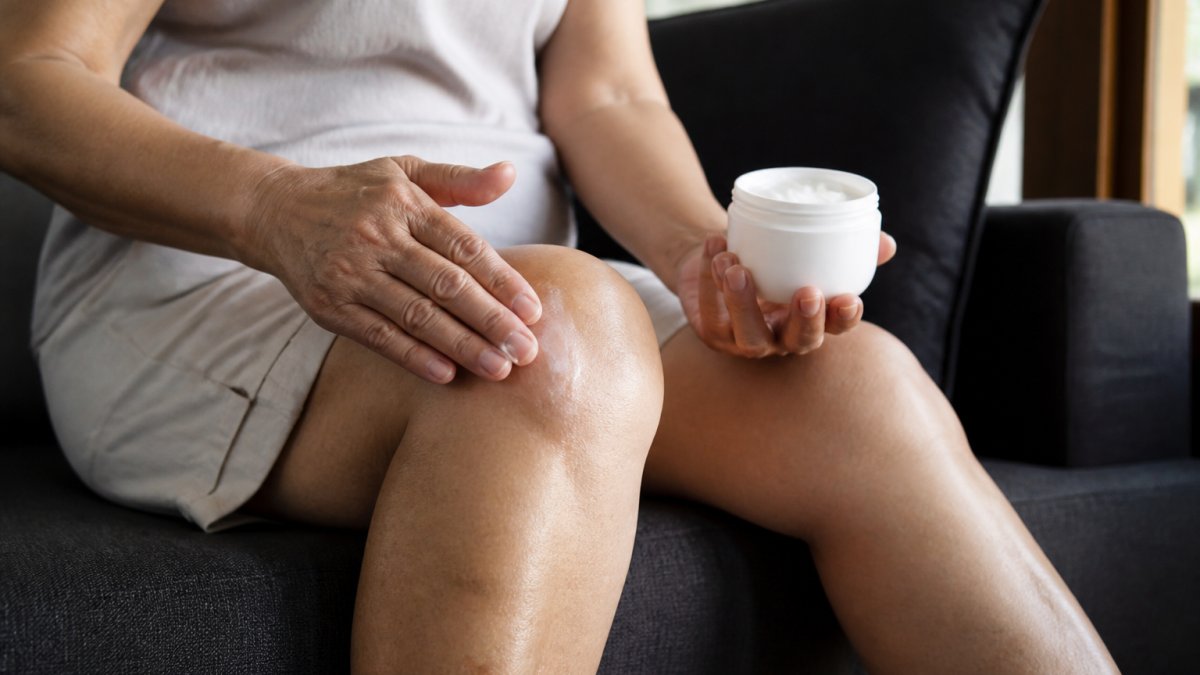
Topical treatments for joint stiffness deliver relief at the surface, not deep in the joint. That distinction sets honest expectations. A topical will not rebuild cartilage. It can calm the skin and tissue over a joint, ease surface inflammation, and support comfort enough to move more freely.
Stiffness often has two drivers: inflammation and tissue that has tightened from disuse. Topicals address the first. Movement addresses the second. The two work best together.
What most guides miss is timing. Applying a topical before gentle movement, not after, tends to help more. The product supports comfort, then movement does the rest.
Watch out: expecting a topical to replace medical care for advanced joint disease. If stiffness comes with swelling, redness, or loss of function, see a clinician.
Stem Cell Therapy for Joint Pain: How It Compares to Lattice Approaches
Stem cell therapy for joint pain uses living cells, often from bone marrow aspirate or fat tissue, injected into or near a joint. Lattice approaches use a structure, not cells, to guide the body's own repair. They are different tools aimed at different jobs.
| Approach | What It Uses | How It Works | Best For | Limits |
|---|---|---|---|---|
| Lattice topical | Graphene carbon structure | Guides surface cell regrowth | Skin healing, scarring, surface stiffness | Does not reach deep joint tissue |
| Stem cell therapy | Patient's own cells | Injected cells support repair | Chronic joint pain, cartilage damage | Invasive, variable outcomes |
| Platelet-rich plasma | Concentrated blood platelets | Supports healing response | Tendons, mild joint pain | Evidence still developing |
The FDA information on regenerative medicine and cell therapies notes that many cell-based treatments remain under study. That is not a reason to dismiss them. It is a reason to ask hard questions about evidence before choosing one.
For surface-level scarring and stiffness, a lattice is the simpler, lower-risk path. For deep joint damage, cell-based treatment is a different conversation with a specialist.
Comparing Lattice Materials and Treatment Approaches
Lattice materials differ in structure, safety profile, and how well they support organized regrowth. The comparison below covers the main options people weigh.
| Material | Structure | Key Advantage | Watch For |
|---|---|---|---|
| Pristine large-flake graphene | Ordered carbon sheets, 1-5 layers | Clean lattice, low irritation risk | Verify flake size and layer count |
| Graphene oxide | Oxidized carbon | Cheaper to produce | Irritation and residue concerns |
| Collagen scaffolds | Protein-based mesh | Well studied in wound care | Can be costly, variable quality |
| Hyaluronic acid gels | Fluid matrix | Good moisture support | Weak structural guidance |
The NIST materials science resources on carbon nanomaterials helps explain why structure and purity change how a material behaves. Flake size and layer count are not marketing details. They change the lattice.
For topical use on skin and joints, pristine large-flake graphene offers a strong balance of structure and safety. Graphene oxide is the one to question.
Choosing a Lattice-Based Product for Your Skin or Joints
Choosing well means matching the product to the job and checking what is actually in the tube. Use this checklist before you buy:
- Confirm the graphene type: pristine, not oxide
- Check flake size and layer count (1-5 layers is the target)
- Match the product to your need: skin healing or joint comfort
- Look for clear use instructions and a realistic timeline
- Start with a small patch test if your skin is reactive
- Ask how long results typically take
A common mistake is buying on the word "graphene" alone. The label should tell you which form it is. If it does not, ask.
On results timing, be patient but not passive. Timing for results can vary. If nothing changes after a month of proper use, reassess.
That is where Graphoenix LLC fits. Our products use pristine large-flake graphene in one to five layers, kept separate from graphene oxide on purpose. The goal is a clean lattice that supports the body's own repair, whether you are managing a healing wound or everyday joint stiffness.
Frequently Asked Questions
Can graphene act as a lattice for cellular regrowth?
Graphene-based materials are being studied as scaffolds that give cells a surface to attach to and grow along, which is the sense in which a lattice for cellular regrowth is described. In topical products, the practical role is supporting the skin's own repair process rather than replacing cells. Results vary by formulation and skin condition, so treat marketing claims as a starting point and check what the product actually contains before buying.
Can graphene-based topicals help prevent scarring after a wound?
Scar prevention after a wound depends on keeping the site clean, moist, and protected during healing. Some topical graphene formulations are marketed as supporting cellular regrowth, which may help the skin close more evenly. No topical product guarantees a scar-free result. If a wound is deep, infected, or slow to close, see a clinician before relying on any over-the-counter cream.
What treatments may help relieve joint stiffness?
Topical treatments for joint stiffness typically aim to soothe the area and support mobility, while movement, physical therapy, and clinician-guided care address the underlying cause. Stem cell therapy for joint pain is offered by some providers as a minimally invasive option, but evidence and insurance coverage vary widely. Ask what is actually being injected, who performs it, and what follow-up is included before committing.
How long does it take to see results from a lattice-based topical?
Timing depends on what you are treating. Keep a simple log of symptoms so you can judge progress honestly. If a product causes burning, rash, or worsening pain, stop using it and consult a clinician.
Stiff joints and stubborn scars rarely improve by accident. They improve when the tissue gets the right support at the right time. Graphoenix LLC builds topical products around a pristine large-flake graphene lattice, made to support cellular regrowth, help prevent scarring, and ease itching, pain, and mobility. If you are ready to give your skin and joints a better framework for healing, explore the Graphoenix LLC range and find the product that fits your routine.