 blog
Soothe Itchy Skin: Best Relief for Itching, Pain & Mobility
Table of Contents
- Why Itching, Pain, and Mobility Often Show Up Together
- Best Topical Treatments for Itchy Skin: What Works and Why
- Itch Relief Medication: Antihistamines, Pramoxine, and Beyond
- Itchy Skin Causes Without Rash: When There Is Nothing to See
- When to See a Doctor for Itchy Skin: Warning Signs You Should Not Ignore
- Matching Relief to Body Area: Joints, Feet, Hands, and Sensitive Spots
- Conclusion: Building a Routine That Soothes Itchy Skin Long-Term
- Frequently Asked Questions
Last Updated: October 16, 2026
Why Itching, Pain, and Mobility Often Show Up Together
Itching, pain, and mobility problems often travel together, so the best help treats the skin and the joint beneath it at once. Irritated skin makes people scratch; aching joints make them move less.
This guide from Graphoenix LLC breaks down what actually works to soothe itchy skin: which remedy fits which cause, which carry real risks, and when to call a doctor.
The Scratch-Itch Cycle and What It Does to Your Skin Barrier
The scratch-itch cycle is the loop where scratching damages the skin barrier, triggering more inflammation and more itch.
According to the American Academy of Dermatology's guidance on itchy skin, breaking the scratch cycle matters more than finding a stronger cream.
Pain changes this too: people with arthritis or nerve pain often scratch harder without noticing, because pain masks the itch signal, leaving raw skin on top of a stiff joint.
Best Topical Treatments for Itchy Skin: What Works and Why
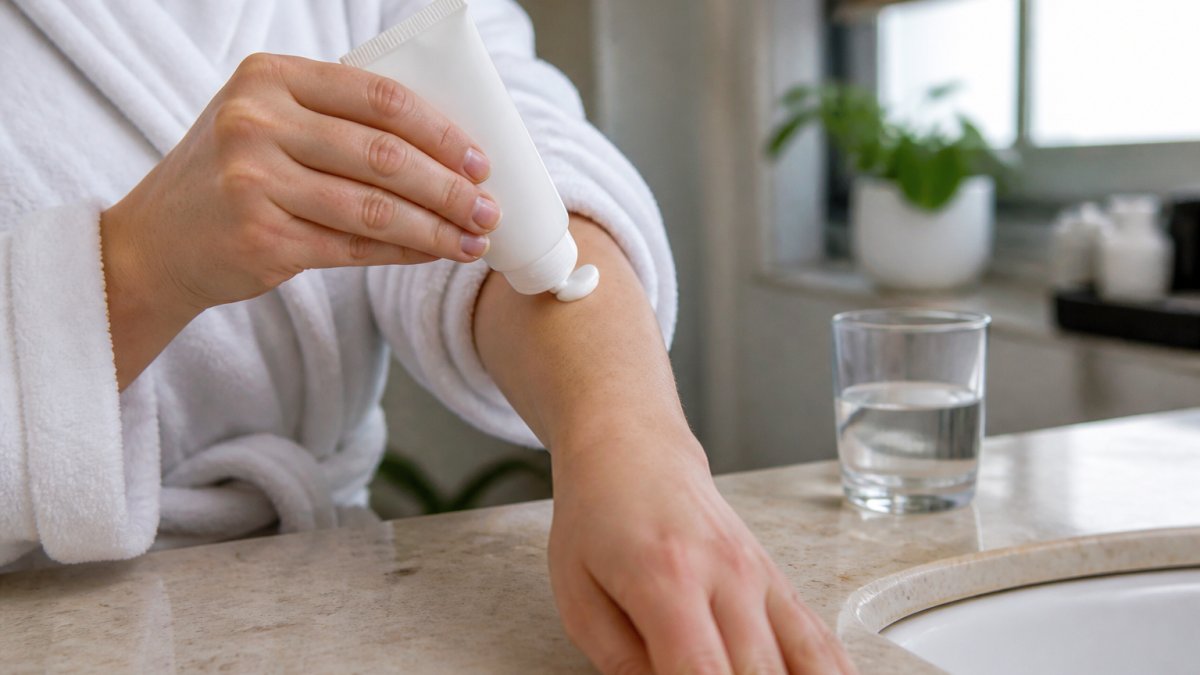
The best topical treatment depends on your cause, not your symptom: a cooling lotion calms a bug bite, a steroid cream calms eczema. The wrong one wastes money and can worsen things.
Match the Product to the Cause, Not the Symptom
Most guides hand you a list, which does not tell you what to reach for at 2 a.m. when your shins are on fire and your knees ache too. Use this decision logic instead.
| Cause or Pattern | First-Line Topical | Why It Fits | Realistic Time to Relief |
|---|---|---|---|
| Insect bite, small and localized | Calamine or 1% hydrocortisone | Calamine dries the weep; hydrocortisone cuts the local inflammation | Itch fades in 15-30 minutes; swelling over 1-2 days |
| Dry, widespread winter itch | Colloidal oatmeal cream or a thick emollient | Rebuilds the barrier rather than numbing the nerve | Softer within 24-48 hours of twice-daily use |
| Eczema flare on arms or legs | 1% hydrocortisone, thin layer | Targets the inflammation driving the flare | Noticeable within 3-7 days; stop when clear |
| Nerve-related itch (neuropathy, shingles recovery) | Capsaicin cream | Repeated use depletes substance P and dulls the itch-pain signal | 1-2 weeks of consistent use before benefit; stings at first |
| Painful, raw, or cracked spots | Pramoxine 1% | Numbs the skin so scratching stops long enough to heal | 5-15 minutes, lasts a few hours |
| Hives or allergic welts | Oral antihistamine plus cool compress | Histamine-driven, so a topical alone rarely enough | 30-60 minutes for oral; compress works in minutes |
If two rows describe you, treat the cause first and the symptom second. A numbing cream on eczema feels good for an hour and does nothing for the flare.
Calamine, Colloidal Oatmeal, and Cooling Agents
These gentle options work by cooling, coating, or calming the skin surface.
- Calamine lotion: dries weepy rashes and mild bites. Best for small, oozing spots. Do not use on already-dry, cracked skin, it pulls moisture out.
- Colloidal oatmeal: binds to skin and reduces irritation. Best for widespread, dry itch. Look for it as the active ingredient on the label, not just a marketing mention.
- Menthol and camphor: create a cooling sensation that distracts nerve endings. Best for short-term relief. Do not apply to broken skin or to the face of a child under two.
None of these treat the cause; they buy comfort while skin heals. If a gentle option fails after a week of consistent use, the problem is probably not surface-level.
Hydrocortisone and Topical Steroids: Short-Term vs. Long-Term Use
Hydrocortisone is a mild steroid that reduces inflammation fast on eczema, contact rashes, and insect bites.
The catch is duration: short-term use (one to two weeks) is generally safe, but long-term use on thin areas can cause skin thinning, stretch marks, and rebound flares.
Stronger prescription steroids belong in a doctor's hands, never use one on the face, groin, or underarms without medical guidance.
A rule dermatologists repeat: use the lowest strength that works, for the shortest time, on the smallest area.
Safety Notes by Person and Body Area
Most remedy lists skip this. It matters more than the remedy itself.
- Children: use only products labeled for their age. Hydrocortisone 1% is generally acceptable for short courses in children over two, but check with a pediatrician first. Never use capsaicin on a child.
- Pregnancy: many topicals are considered low-risk, but confirm with your obstetric provider before starting anything new, especially steroids or doxepin cream.
- Older adults: thinner skin absorbs more and thins faster. Shorten steroid courses and lean on emollients.
When to Stop or Switch a Remedy
Give a remedy a fair trial, then move on:
- Gentle topicals (calamine, oatmeal, menthol): if no improvement in 7 days, switch approach.
- Hydrocortisone 1%: if the flare is not clearly better in 7-14 days, stop and get evaluated.
- Capsaicin: if the burning is unbearable after 2 weeks, it is not the right fit for you.
Pain and reduced mobility alongside itch are not a reason to try a stronger cream. They are a reason to find out what is driving both.
Itch Relief Medication: Antihistamines, Pramoxine, and Beyond
Itch relief medication falls into two groups: swallowed and applied.
Oral antihistamines work best for histamine-driven itch like hives and allergic reactions, and do little for eczema or nerve itch. First-generation options cause drowsiness, helpful at night, not during the day.
Topical options work differently:
- Pramoxine: a topical anesthetic that numbs the skin. Good for small, painful itchy spots.
- Doxepin cream: blocks histamine at the skin level. Can cause drowsiness even when applied topically.
- Oral steroids: reserved for severe flares under medical supervision.
Match the medication to the cause. A drowsy antihistamine will not fix dry, cracked skin, and a numbing cream will not calm a full-body allergic reaction.
Itchy Skin Causes Without Rash: When There Is Nothing to See
Itchy skin causes without rash are often internal. When there is nothing visible to treat, the cause usually sits under the skin.
Common culprits include:
- Dry skin, especially in winter or after long hot showers
- Medication side effects, from pain relievers to blood pressure drugs
- Nerve conditions like neuropathy or shingles
This is where a topical cream will not solve the problem. If you itch all over with clear skin for more than two weeks, get it checked. The National Institute of Arthritis and Musculoskeletal and Skin Diseases notes that persistent itching without a rash often points to a systemic cause.
When to See a Doctor for Itchy Skin: Warning Signs You Should Not Ignore
When to see a doctor for itchy skin comes down to a few clear signals. Do not wait if any apply.
- Itching that lasts more than two weeks with no clear cause
- Itching that disrupts sleep or daily life
- A rash that spreads fast or blisters
The last two matter most for our readers: itching with joint swelling or reduced mobility can signal inflammation needing treatment, not just a cream. Seek urgent care for trouble breathing or swelling of the face, lips, or tongue.
Matching Relief to Body Area: Joints, Feet, Hands, and Sensitive Spots
The same remedy behaves differently depending on where you put it, skin thickness, moisture, and movement all change how a product works. But body area is only half the decision; severity and pain or stiffness matter just as much.
Start With Severity, Then Body Area
Before picking a product, sort your situation into one of three buckets.
- Mild: occasional itch, no broken skin, no swelling, no joint symptoms. Home care and an OTC topical are usually enough.
- Moderate: persistent itch, visible rash, sleep disruption, or itch that comes with joint aching or stiffness. Step up to targeted topicals and consider a clinician visit if it lasts past two weeks.
- Severe or urgent: widespread rash, blistering, fever, signs of infection, or itching with swelling, significant pain, or loss of mobility in a joint. Get evaluated promptly.
Most readers are in the mild or moderate bucket; the severe bucket is not a cream problem.
Body-Area Guide With Pain and Mobility Built In
| Body Area | Best Approach | Avoid | Why | Pain or Mobility Note |
|---|---|---|---|---|
| Joints and knees | Gentle moisturizer plus cooling compress | Strong steroids long-term | Skin is thin and stretches with movement | If the joint is also swollen, stiff, or warm, treat the joint as the primary problem and the itch as secondary |
| Feet and soles | Thick emollient, then socks | Menthol on broken skin | Soles are thick but sweat heavily | Reduced mobility or numbness in the feet changes sensation, check feet daily for cracks or sores |
| Hands | Fragrance-free cream after every wash | Frequent hand sanitizer | Washing strips the barrier fast | Stiff or painful hands make washing and applying cream harder; use a pump bottle, not a tube |
| Face and neck | Mild hydrocortisone only if advised | Strong steroids | Thin skin thins further | , |
| Groin and underarms | Zinc-based or mild barrier cream | Occlusive steroid creams | Warm, moist, and absorbent | , |
| Lower legs | Emollient plus compression if advised | Hot showers | Poor circulation and dryness combine here | Itch with leg swelling or heaviness can point to a vascular issue, not dry skin |
For sensitive areas, patch test first: apply a small amount to your inner forearm and wait 24 hours.
When Itch Comes With Joint Pain or Stiffness
This is the pattern most guides ignore. Itching, pain, and reduced mobility together usually means one of three things:
- Inflammatory skin disease with joint involvement. Psoriasis and eczema can both come with joint symptoms; psoriatic arthritis often starts as skin plaques plus stiff, swollen joints. That needs a clinician, not a stronger cream.
- Reduced movement causing skin problems. When a joint hurts you move it less, meaning less circulation, drier skin, and more pressure on the same spots. The itch is downstream of the mobility problem.
- A systemic cause hitting both systems. Whole-body conditions can produce itching and joint pain together. Persistent, widespread itch with joint symptoms warrants bloodwork, not another tube of lotion.
A Simple Daily Sequence for Itch Plus Stiffness
Order matters: do mobility work when the skin is calmest.
- Morning: apply emollient to dry areas, then do gentle range-of-motion movement for the stiff joint while the skin is moisturized and less irritated.
- Midday: cool compress on any hot, itchy spot. Ten minutes is enough.
- Evening: warm (not hot) shower under ten minutes, pat dry, apply emollient within three minutes while skin is still damp.
- Before bed: steroid cream only if you are in an active flare, thin layer, only on the affected area.
This keeps the skin barrier intact while the joint keeps moving. Skipping movement because skin itches, or skin care because the joint hurts, restarts the cycle.
Conclusion: Building a Routine That Soothes Itchy Skin Long-Term
The real work is consistency, not intensity. A short daily routine beats a frantic fix every time a flare hits.
Here is what we would do:
- Moisturize twice daily with a fragrance-free cream
- Keep showers warm, not hot, and under ten minutes
- Use a cool compress or ice pack when the itch spikes
At Graphoenix LLC, we build topical products around pristine, large-flake graphene nanocarbon technology. Our formulations are designed to help with itching, pain, and mobility, and to act as a lattice for cellular regrowth that may help prevent scarring. We distinguish our graphene from graphene oxide, which has raised safety concerns elsewhere.
Shop now at Graphoenix LLC.
Frequently Asked Questions
What is the fastest way to soothe itchy skin?
A cool compress or cool, wet cloth applied to the area for 10 to 15 minutes is usually the quickest way to calm itching. Cooling numbs nerve endings and reduces inflammation fast. If you need something longer-lasting, an over-the-counter cream with pramoxine or a thin layer of hydrocortisone can help. For widespread itching, a lukewarm colloidal oatmeal bath followed by a fragrance-free moisturizer while skin is still damp locks in hydration and reduces the urge to scratch.
What causes skin to itch without a rash?
Itchy skin causes without rash often trace back to dry skin, medication side effects, nerve-related conditions like neuropathy, or underlying conditions such as liver, kidney, or thyroid issues. Dry winter air, frequent hot showers, and harsh soaps strip the skin barrier and trigger itching with nothing visible. If the itch persists for more than two weeks with no rash and no obvious trigger, a doctor can run bloodwork to rule out systemic causes and adjust any medications that may be contributing.
Can over-the-counter itch relief medication help with nerve pain and mobility issues?
Standard OTC antihistamines and hydrocortisone creams target surface-level itching and mild inflammation, but they do not address nerve pain or joint stiffness directly. For neuropathy or shingles-related discomfort, topical anesthetics like lidocaine or capsaicin may reduce burning and tingling. If itching comes with joint pain or reduced mobility, a product designed to support both skin comfort and joint movement, applied consistently, may offer more complete relief. Talk to your doctor before combining multiple treatments.
How long should I use a topical treatment before deciding it is not working?
Most OTC anti-itch creams and hydrocortisone should show improvement within 3 to 7 days. If itching has not eased after one week of consistent use, stop and try a different approach or see a doctor. Hydrocortisone should not be used longer than two weeks without medical guidance because prolonged use thins the skin. For prescription-strength options or products aimed at nerve pain, give them 2 to 4 weeks, but track your symptoms so you can tell your doctor exactly what changed and when.