 How-to
How to Relieve Arthritis Joint Pain at Home
Last Updated: November 11, 2026
Quick Summary
To relieve arthritis joint pain at home, match heat or cold to your symptoms: use heat on stiff, achy joints before activity and cold on swollen, hot joints after activity. Then build a short daily routine of gentle range-of-motion movement, low-impact exercise, and topical treatments, scaling back on flare days rather than skipping.
- Apply heat for 10 minutes to the stiffest joint each morning, then do 5 minutes of gentle range-of-motion movement.
- Never sleep on a heating pad, even on a low setting, because prolonged contact can cause burns.
- If a joint hurts more than two hours after exercise, you did too much and should scale back.
- On a flare day, shorten the routine rather than skipping it and leave out strength work until the joint settles.
- Seek medical care for a joint that is hot, red, and swollen with a fever, or sudden severe pain you cannot explain.
Table of Contents
- Step 1: Choose Heat or Cold Based on Your Symptoms
- Step 2: Build a Daily Routine That Reduces Arthritis Joint Pain
- Step 3: Move Gently With Low-Impact Exercise and Stretching
- Step 4: Use Topical Treatments for Joint Comfort
- Step 5: Adjust Your Diet and Weight to Ease Joint Pressure
- Step 6: Manage Stress and Protect Your Joints During Flares
- Step 7: Know When Home Care Is Not Enough
- Choosing the Right Topical for Your Arthritis Joint Pain
- Frequently Asked Questions
Step 1: Choose Heat or Cold Based on Your Symptoms
Learning how to relieve arthritis joint pain at home starts with one simple choice: heat or cold. Heat relaxes stiff, achy joints before activity. Cold numbs sharp pain and brings down swelling after activity. The trick is matching the method to what the joint is doing right now, not picking a favorite and sticking with it forever.
A simple rule of thumb: stiff and quiet means heat, hot and swollen means cold.
When heat helps most
- Morning stiffness or a joint that feels tight and creaky before you get moving
- Pain that eases as you loosen up
- A joint that aches but is not swollen, red, or hot to the touch
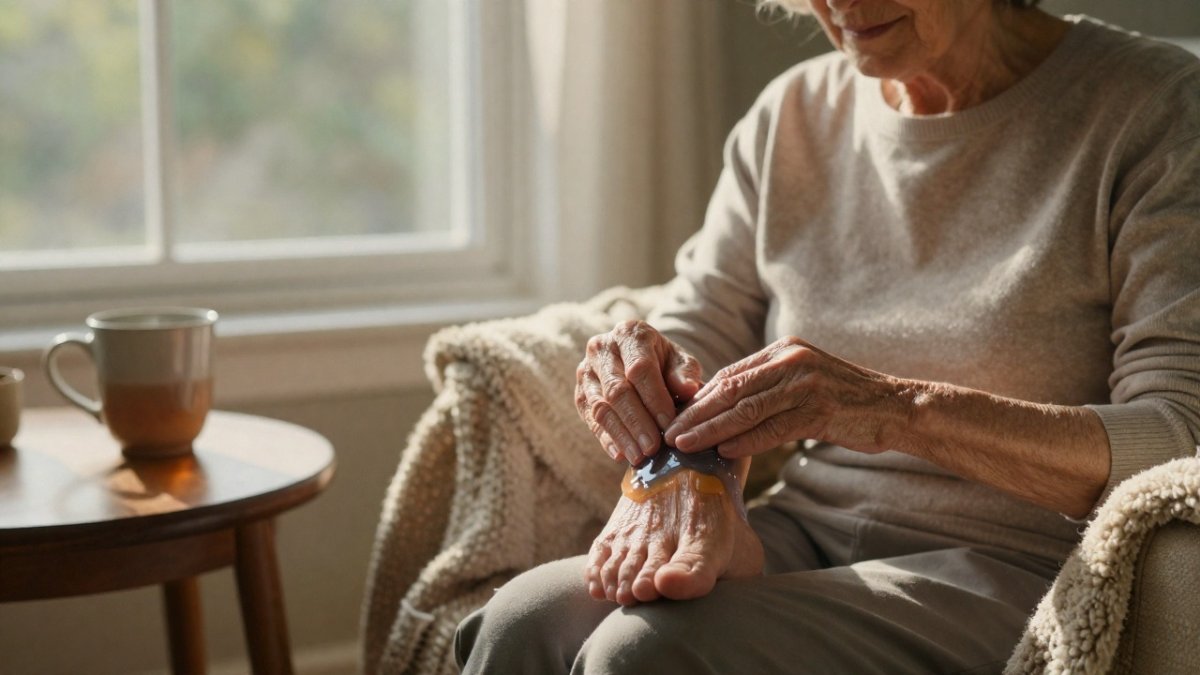
Heat options include a heating pad, a warm bath or shower, a hot-water bottle, or a microwavable rice pack. Keep a thin layer of cloth between the heat source and your skin. A warm shower before stretching is a simple way to warm several joints at once.
When cold helps most
- A joint that is swollen, red, or hot after activity
- Sharp, localized pain after exercise or a long walk
- A flare where the joint feels puffy and angry
Cold options include a gel pack, a bag of frozen peas, or an ice pack wrapped in a towel. Always wrap the pack in a towel rather than putting it directly on skin.
How to choose in the moment
A quick way to decide is to touch the joint. If it feels cool or normal and moves stiffly, use heat. If it feels warm or looks puffy compared with the other side, use cold. If you are unsure, start with heat before activity and cold afterward, and note how the joint responds over a few days.
Protect your skin
- Never sleep on a heating pad, even on a low setting; prolonged contact can cause burns.
- Do not apply heat or cold to numb or broken skin.
- Check the skin every few minutes during application, especially if you have diabetes or reduced sensation.
- Skip extreme temperatures if you have poor circulation or nerve damage in that area.
Watch out: if a joint is hot, red, and swollen along with a fever, that is not a heat-or-cold decision, it is a reason to contact a health care provider, because infection and inflammatory flares need assessment rather than a home pack.
Many people find that a warm shower before stretching makes the whole routine easier. Others prefer cold right after a long walk. Both are fine. The point is to match the method to the moment.
Step 2: Build a Daily Routine That Reduces Arthritis Joint Pain
A daily routine beats occasional effort. Short, gentle sessions every day do more for arthritis joint pain than one long session on the weekend. The goal is a rhythm you can repeat on good days and scale back on bad ones without abandoning the habit.
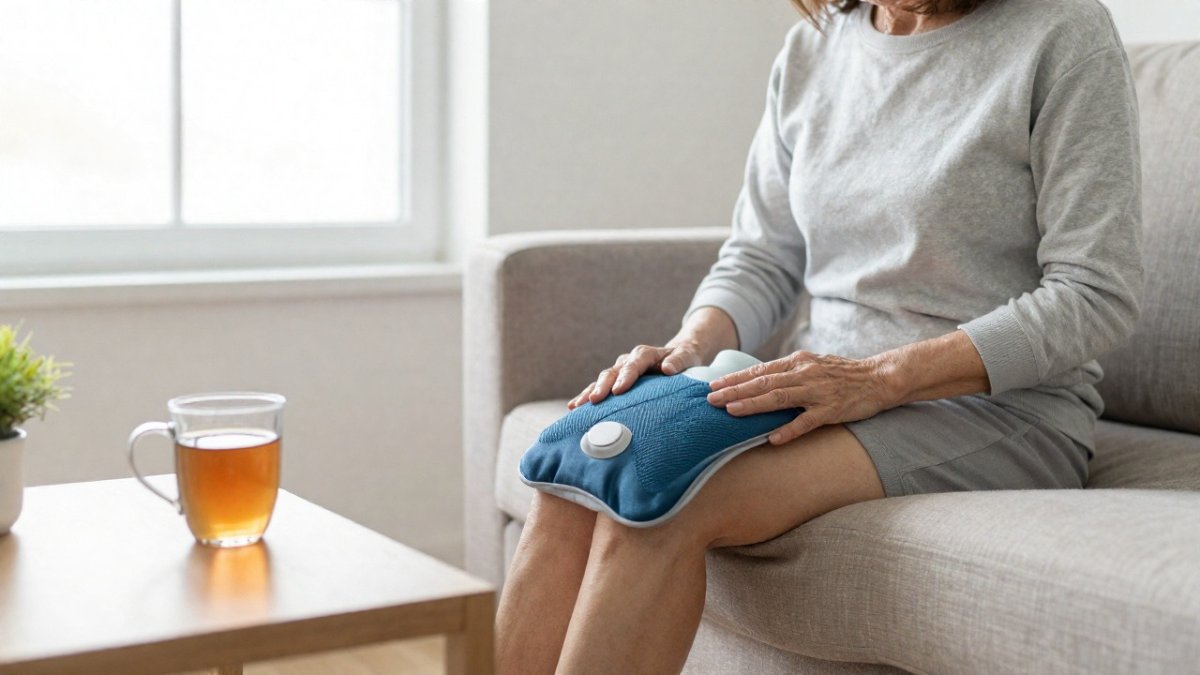
A realistic day, start to finish
- Morning (10 to 15 minutes): Apply heat to the stiffest joint for 10 minutes, then do 5 minutes of gentle range-of-motion movement, slow knee bends, shoulder rolls, or ankle circles. Move within a comfortable range, not to the point of pain.
- Midday (5 to 10 minutes): Take a short walk on flat ground, or do a few minutes of chair exercises if walking is uncomfortable. A brief mid-day session keeps joints from stiffening after sitting.
- Evening (10 minutes): Apply cold to any joint that feels hot or puffy after the day, then rest. Finish with a few slow stretches if your joints feel tight rather than swollen.
Adapt the routine to the joint
- Hands: Open and close your fists slowly, touch each finger to your thumb, and do gentle wrist bends. Warm water soaks can ease morning hand stiffness.
- Knees: Seated leg extensions, slow sit-to-stand from a firm chair, and short flat walks. Avoid deep squats and stairs on sore days.
- Hips: Gentle hip circles while holding a counter, seated marches, and side-lying leg lifts.
- Feet and ankles: Ankle circles, toe curls, and rolling the foot over a frozen water bottle for cold therapy.
Seated and equipment-light options
If standing or walking is hard, chair-based movement still counts. Try seated marches, seated leg extensions, arm circles, and gentle torso twists. A resistance band or a pair of light dumbbells is enough for strength work; you do not need a gym. Water exercise in a warm pool is another low-impact option that takes weight off the joints.
Plan for painful days
On a flare day, shorten the routine rather than skipping it. Do the heat step, a few gentle range-of-motion moves, and the cold step, and leave out strength work until the joint settles. A common pattern is doing too much on a good day and paying for it the next, so keep sessions short and stop before you feel tired, not after.
Watch out: if a joint hurts more than two hours after a session, or if pain keeps increasing over several days, scale back the duration and intensity and mention it to your health care provider if it persists.
Steady and small wins. The routine that survives a bad week is the one that helps over the long run.
Step 3: Move Gently With Low-Impact Exercise and Stretching
Movement is medicine for stiff joints, but the type matters. Low-impact exercise keeps joints lubricated without pounding them.
Good options include:
- Walking on flat ground
- Water exercise in a warm pool, which takes weight off your joints
- Stretching for flexibility and range of motion
- Strength training with light weights or resistance bands
Yoga and tai chi are also popular because they combine gentle movement with balance work. The CDC's physical activity guidance for arthritis recommends low-impact activity for adults with arthritis, and it is a good starting point.
What most guides miss is pacing. Build up slowly. If a joint hurts more than two hours after exercise, you did too much.
Step 4: Use Topical Treatments for Joint Comfort
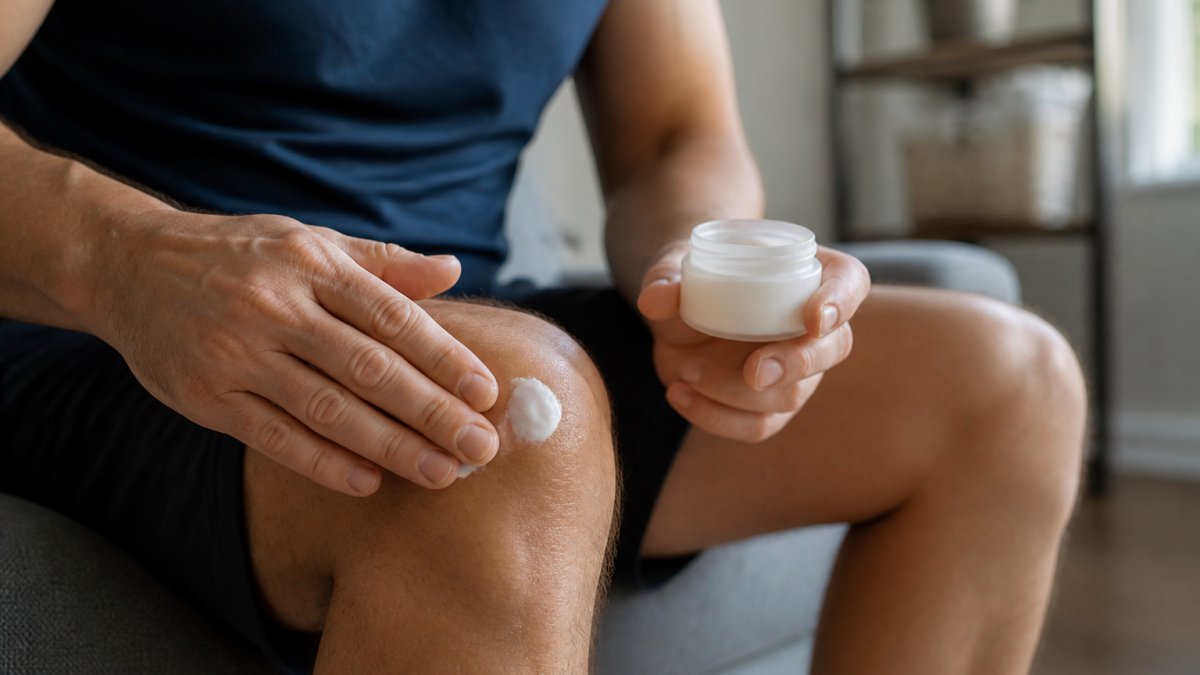
Topical treatments for joint comfort are rubbed into the skin over the sore area. Creams, gels, and salves are rubbed into the skin over the sore joint.
Here is what to look for before you buy:
- No synthetic fillers. Check the label for synthetic ingredients.
- Absorbs well. A good cream should not feel greasy or sticky.
- Real feedback. Read what other buyers say about results, not just the star rating.
- A pleasant smell. You will use it more often if you like how it feels.
At Graphoenix LLC, we make our topicals by hand with quality ingredients, including graphene nanocarbon. Our topicals are multi-use: what works for pain may also work for skin concerns such as itching, dryness, or acne.
Look for the reason behind the problem rather than switching products repeatedly.
Step 5: Adjust Your Diet and Weight to Ease Joint Pressure
Every extra pound adds load to your hips, knees, and feet. Weight management is one of the most direct ways to reduce joint pressure.
Food choices matter too. Many people choose an eating style built around whole foods:
- Fruits and vegetables in a range of colors
- Whole grains instead of refined ones
- Olive oil in place of heavy fats
- Ginger in tea or cooking
- Fatty fish a few times a week
Step 6: Manage Stress and Protect Your Joints During Flares
Stress makes pain feel worse. When you are tense, muscles tighten around sore joints and everything hurts more.
Simple stress management helps:
- Slow breathing for two minutes when pain spikes
- Mindfulness or a short meditation
- Yoga for gentle movement
- Sleep on a regular schedule
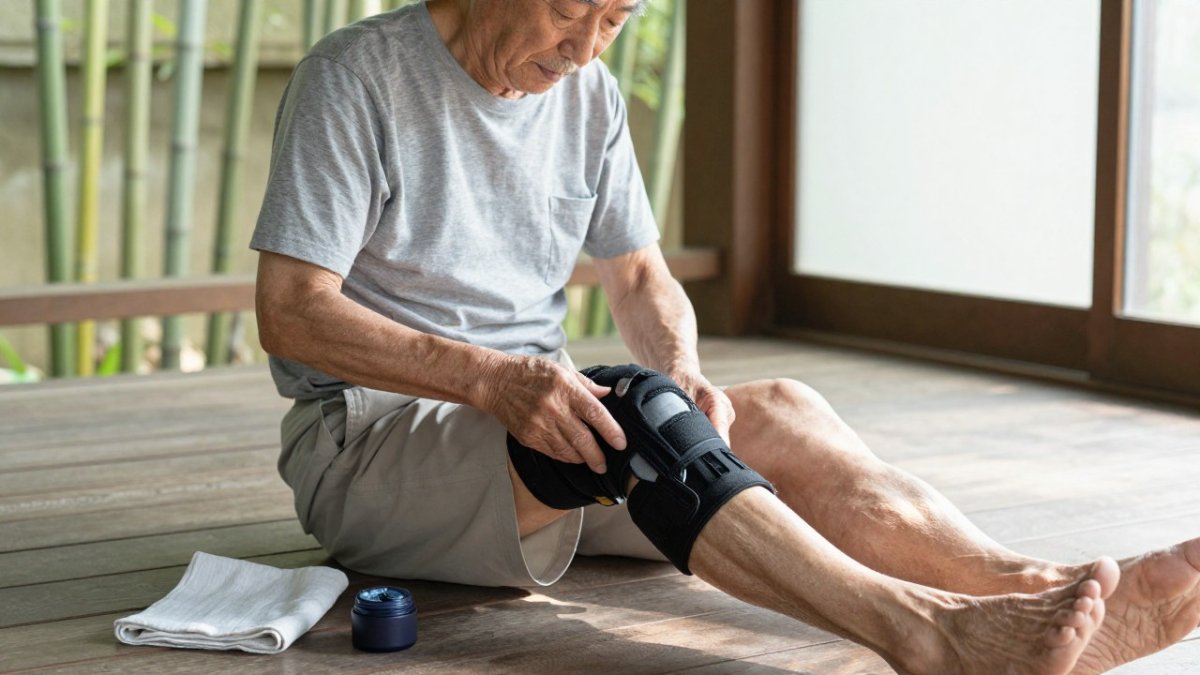
During a flare, protect the joint. Use braces on sore wrists or knees for support, and use larger joints instead of small ones. Push a door with your forearm, not your fingers. Use a cane on the opposite side of a painful hip.
Step 7: Know When Home Care Is Not Enough
Home care handles a lot, but not everything. Some signs mean you need a doctor, not another cream.
Seek medical care if you notice:
- A joint that is hot, red, and swollen with a fever
- Sudden severe pain you cannot explain
- Pain that lasts more than a few weeks despite home care
- Numbness, tingling, or weakness in a limb
- Trouble putting weight on a leg or foot
The Arthritis Foundation's guidance on when to see a doctor covers these warning signs in more detail. Home remedies support medical care. They do not replace it.
Choosing the Right Topical for Your Arthritis Joint Pain
Not every topical suits every person. Match the product to your main problem.
| Your Main Issue | What to Look For | Why |
|---|---|---|
| Chronic pain | A stronger, multi-use cream | Lasting comfort for daily use |
| Skin issues only | Any gentle formula | Skin care and pain relief in one |
| Psoriasis | Hypoallergenic cream | Less risk of irritation |
| Scars or sunburn | Cream with aloe | Supports healing and cooling |
Best for: people who want one product that handles several problems. Skip if: you have a known allergy to an ingredient, so read the label first.
Graphoenix LLC offers several topical products, including Carbon Cream Max, a hypoallergenic carbon cream, and Carbon Cream Plus Aloe. Our products are handmade with exclusive nano-carbon and quality oils.
The best next step is to start with one product and one routine. Use it daily, track how your joints feel, and adjust as you learn what works. Visit the Graphoenix LLC website to explore current options.
Frequently Asked Questions
What is the best pain relief for arthritis?
There is no single best option for everyone. For many people, a mix of heat or cold therapy, low-impact exercise, stretching, and topical treatments for joint comfort works well. Heat helps stiffness, while cold reduces swelling. Gentle movement keeps joints flexible. If pain is constant or limits daily activity, talk to a doctor about a plan that fits your type of arthritis.
Can arthritis joint pain be constant?
Yes, some people have ongoing arthritis joint pain, especially with osteoarthritis or during flares. Constant pain does not mean home care is useless. A daily routine of heat, gentle movement, and topical treatments for joint comfort can reduce baseline discomfort. Track your symptoms and see a doctor if pain is severe, wakes you at night, or comes with redness and warmth in the joint.
What relieves arthritis pain immediately?
For quick relief, try a hot pack or warm bath for stiffness, or a cold pack for a swollen, hot joint. Elevating the joint and resting it can also help. Over-the-counter pain relievers may be appropriate for short-term use, but check with a pharmacist or doctor. Topical treatments for joint comfort can provide targeted relief without pills, and many people apply them before activity.
When should I see a doctor for arthritis pain?
See a doctor if joint pain is severe, lasts more than a few weeks, or comes with swelling, redness, or warmth that does not improve. Also seek care if you have fever, sudden inability to move a joint, or pain that interferes with sleep and daily tasks. Early treatment can prevent damage, and a doctor can rule out other causes and adjust your home routine safely.