 Listicle
Best Shoes for Arthritis Pain Relief in Feet and Joints
Quick Summary
The best shoes for arthritis pain relief cushion the heel, support the arch, stabilize the foot and fit with a wide toe box. Choosing a style that matches the affected joint, such as a rocker sole for forefoot pain, usually works better than picking one universal model.
- Look for cushioning that absorbs heel-strike impact without making the base unstable.
- A firm heel counter and arch support help keep the foot aligned and distribute weight.
- A wide toe box and soft, stretch-knit uppers reduce rubbing on swollen or deformed toes.
- Try shoes in the afternoon, wearing the socks you plan to use, when feet are at their largest.
- Shoes reduce joint load but cannot reverse damage, so see a clinician if pain is severe.
Table of Contents
How Arthritis Affects Your Feet and Walking
Arthritis rarely stays in one joint. For many adults over 50, the feet take the first hit: the big toe, the midfoot and the ankle can stiffen and swell, and every step turns into a small negotiation with pain. Choosing the right shoe won't cure arthritis, but it can change how much load each joint carries with every stride. Arthritis Foundation guide to foot and ankle arthritis
Shoes that fit poorly, lack support, or pinch the toes can make joint pain worse in the feet, knees and hips alike. For practical home relief strategies you can use alongside better footwear, see the guide to managing day-to-day arthritis pain.
Osteoarthritis in the feet often shows up as joint stiffness in the morning, tenderness after standing, or a bony bump that rubs against the wrong shoe. Forefoot pain tends to change how a person walks, which can shift pressure up the leg. A shoe that spreads weight evenly and allows natural movement can reduce some of that strain.
Watch out: A shoe that feels comfortable in the store can still be too stiff or too narrow after a full day of walking, when feet swell. Try shoes late in the day.
Features to Look for in Arthritis-Friendly Shoes
The best shoes for arthritis pain relief share a few traits. They cushion, support, stabilize, and fit. Start with those four and most of the choices narrow quickly.
Cushioning and Shock Absorption
Cushioning absorbs impact when the heel strikes the ground. A midsole that compresses a little and springs back helps reduce the jolt that travels up through sore joints. Too much softness, though, can make an unstable base, so look for a balance.
Arch Support, Stability and Motion Control
Arch support helps distribute weight across the foot instead of letting it collapse onto one area. Stability features such as a firm heel counter keep the foot aligned. Motion control shoes limit excessive rolling of the foot, which some people with arthritis find more comfortable. A rocker sole or a stiff shank can also reduce the bending needed at the toes, easing forefoot pain (Footwear advice). Removable insoles or orthotics let you adjust support to a specific foot shape.
Wide Toe Boxes, Soft Uppers and Adjustable Closures
Feet with arthritis often swell, and deformities such as bunions or hammertoes need room. A wide toe box lets the toes spread without rubbing. Soft, stretch-knit uppers reduce pressure on tender spots. Adjustable laces, straps or buckles let you loosen the shoe when the foot is swollen and tighten it again for security.
Best Shoe Styles by Arthritis Type and Affected Joint
Not every arthritis pattern calls for the same shoe. Matching the style to the affected joint usually produces better results than chasing a single "best" model.
For midfoot pain, a stability walking shoe with a firm midsole and good arch support often works well. For forefoot pain or metatarsal discomfort, a rocker-sole shoe with a wide toe box tends to help. Ankle and heel arthritis usually benefit from a supportive heel counter and a cushioned heel. Knee or hip pain that worsens with walking may improve with a shoe that offers strong shock absorption and a stable base. Readers weighing support for the knee itself can compare how long to wear a knee brace alongside footwear choices.
A reasonable starting point for osteoarthritis in several joints is to prioritize cushioning and a wide fit first, then add stability.
Fashionable Shoes for Arthritic Feet That Still Protect Your Joints
Comfort and style don't have to compete. Many supportive shoes now come in leather, suede and clean athletic designs that pass for everyday footwear. Look for a removable footbed, a roomy toe area and a secure closure, then choose the color and shape you like. A fashionable shoe that causes pain will sit in the closet, so fit comes first.
A Shoe-Fitting and Break-In Checklist
Use this checklist when you shop or before you wear a new pair:
- Shop in the afternoon, when feet are at their largest.
- Wear the socks you plan to wear with the shoe.
- Check for at least a thumb's width of space in front of the longest toe.
- Confirm the heel doesn't slip when you walk.
- Walk on a hard surface to test cushioning and stability.
- Break in new shoes for 1-2 hours a day for the first week.
- Stop wearing a shoe that causes new pain, blisters or numbness.
Replace walking shoes when the cushioning looks flattened, the heel counter bends easily, or the sole shows uneven wear.
What Shoes Can and Can't Do for Arthritis Pain, and When to See a Clinician
Shoes can reduce load, improve alignment and make walking more comfortable. They cannot reverse joint damage, and the research on footwear for arthritis pain is generally modest rather than definitive. To set realistic expectations on speed, see how fast topical pain relief works. The National Institute of Arthritis and Musculoskeletal and Skin Diseases offers reliable background on arthritis treatment options.
See a doctor, podiatrist or physical therapist if pain is severe, swelling persists, a joint looks deformed, or walking becomes difficult. They can recommend custom orthotics, bracing or other treatments that footwear alone can't provide.
Many people find that a shoe change works best alongside other measures.
Booking a Consultation to Find Your Best Pain-Relief Routine
Every foot is different, and so is every arthritis pattern. A consultation helps match the right shoe features, support and care approach to your daily walking, your affected joints and your budget. Speak with a clinician for medical concerns, and use the guidance above to narrow your shoe search.
Last Updated: November 21, 2026
Frequently Asked Questions
What shoes do doctors recommend for arthritis?
Doctors commonly point patients toward shoes with a roomy toe box, firm heel counter, cushioned midsole, and a flexible sole that bends at the ball of the foot. Rocker soles can reduce strain on the forefoot during walking. Recommendations vary by arthritis type and affected joint, so a podiatrist or rheumatologist can help narrow choices. Shoes work best alongside other treatments your care team prescribes, not as a replacement for them.
What kind of footwear is best for arthritic feet?
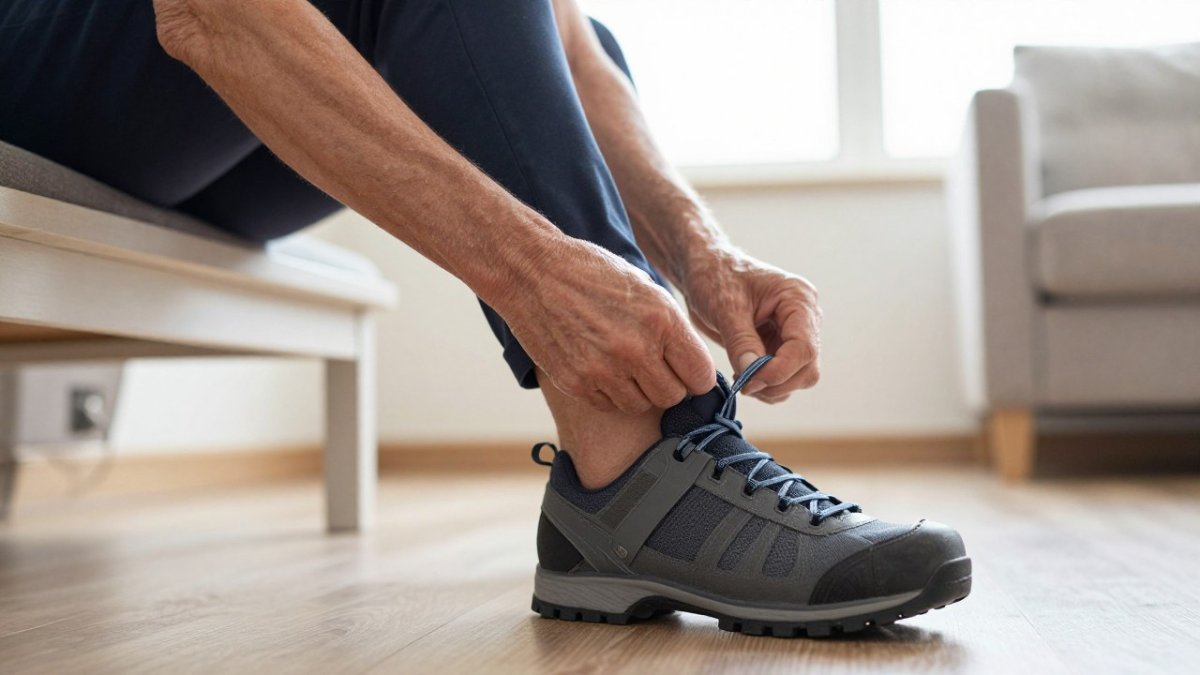
Look for footwear with soft, stretchable uppers that avoid pressure on bunions, hammertoes and swollen joints. Removable insoles let you add custom orthotics or extra arch support. Adjustable closures such as laces, straps or buckles accommodate daily swelling. Fashionable shoes for arthritic feet are available in many of these designs, so comfort and style do not have to conflict.
Can supportive shoes help with knee pain caused by walking?
Supportive shoes with good cushioning and shock absorption can reduce the impact that travels up through the legs with each step, which may ease some knee discomfort during walking. Stability and motion control help keep the foot aligned. Results vary from person to person, and persistent knee pain should be assessed by a clinician rather than managed by footwear alone.
Are wide or adjustable shoes better for arthritic feet?
Wide shoes and adjustable designs often suit arthritic feet better because they leave room for swelling and reduce friction against sensitive joints. Adjustable closures let you change the fit through the day as swelling rises and falls. Check fit at the end of the day, when feet are typically largest, and make sure the heel stays secure without rubbing.